



Textile Finishings
Showing The Most used Types of Textiles Finishing Processes... Such As Printing, Foil, Emboss, Laser Cut, Ultra-sonic Quilting, Bonding, Scraching, Spray Emboss, Embroidery And Pleating Etc...
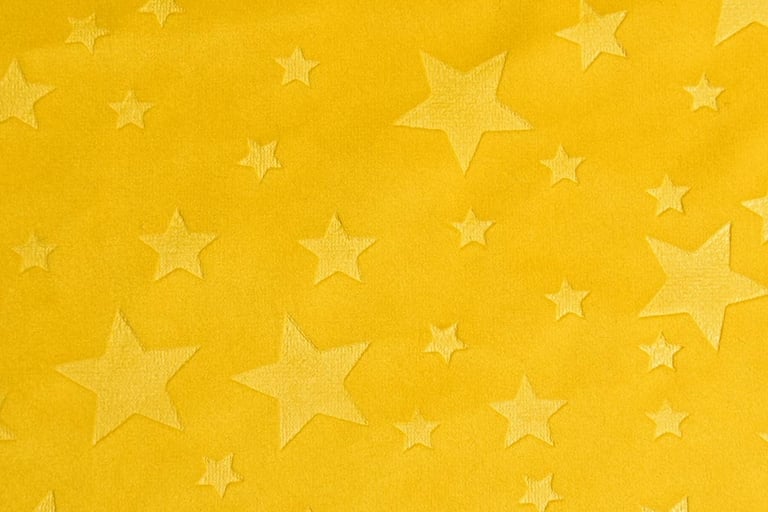
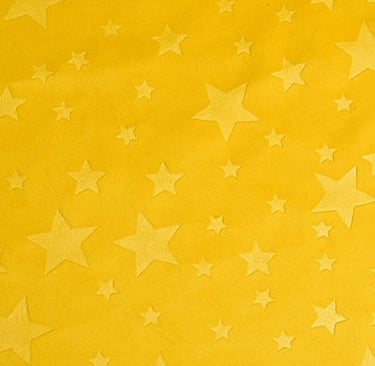
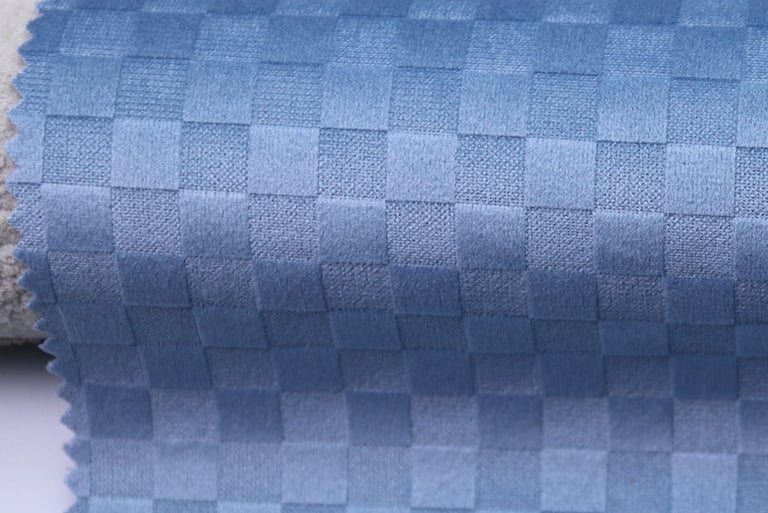
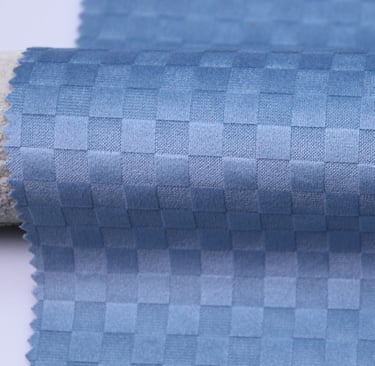
Heat Emboss
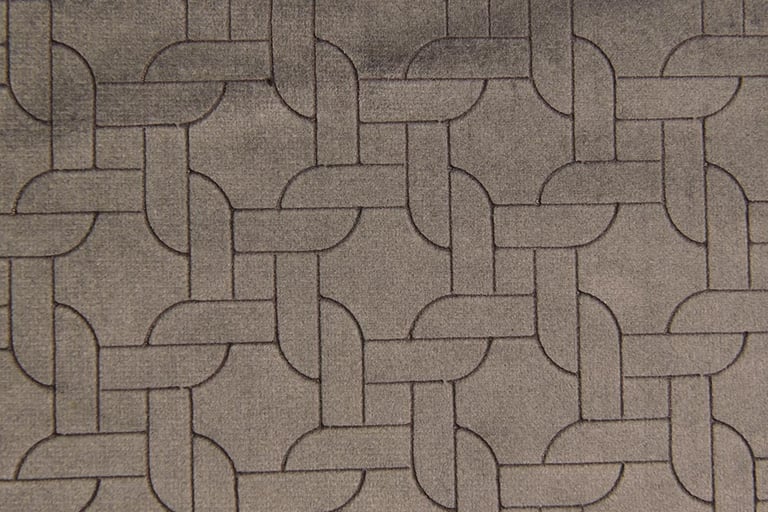
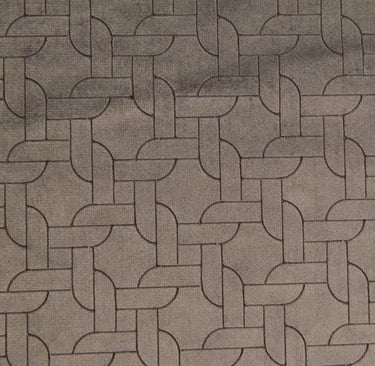
Fabric embossing is a finishing process that uses heat and pressure to create a raised (3D) or recessed (2D) pattern or texture on the surface of a fabric.
Common Applications: Upholstery, curtains, wallpaper, fashion apparel (e.g., pleated skirts, textured jackets), leather accessories, automotive interiors, bedspreads.
In summary, EMBOSSED VELVET is the epitome of opulent texture. It transforms the already luxurious feel of plain velvet into something even more dramatic and sensory, making it a timeless choice for designers looking to add depth, history, and a touch of grandeur to their work.
Burnt-out
Fabric burnt out (also known as devoré, which means "devoured" in French) is a decorative textile technique that uses a chemical paste to dissolve away one type of fiber in a blended fabric, creating a semi-transparent, patterned effect.t is a velvet fabric (traditionally a blend of two different fibers) that has been treated with a chemical paste that "burns out" or dissolves one type of fiber in a specific pattern, leaving behind the other fiber. This creates a design where sheer, translucent areas contrast with opaque, plush velvet areas.
Foiled
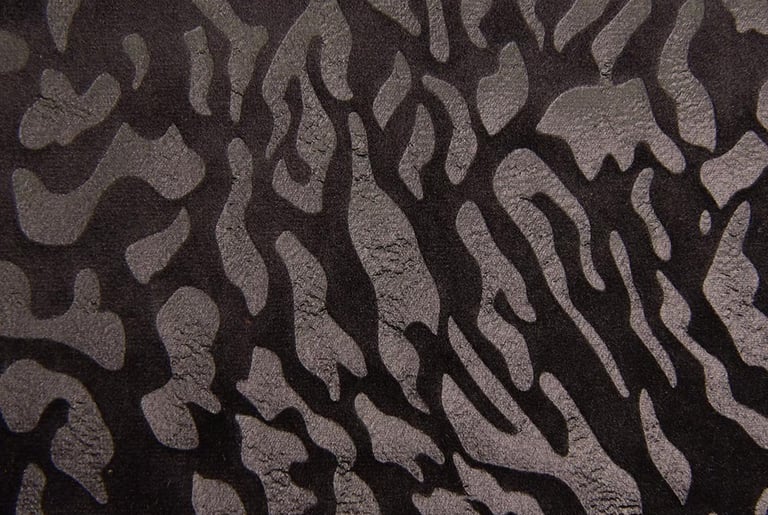
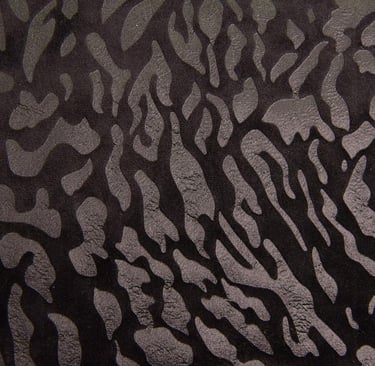
Of course. "Fabric foiling" refers to the process of applying a thin, decorative metallic or pigmented foil to fabric using heat and pressure. Heat Transfer Foiling, Foil Stamping, Foil & Lamination.
What is Foiled Velvet?
It is a velvet fabric (base can be cotton, polyester, silk, or rayon) that has been decorated using a heat transfer process to adhere a thin layer of metallic or colored foil to the tips of the pile fibers in specific areas. The result is a precise, shiny pattern on a luxurious, light-absorbing background.
What is Laser-Carved Velvet?
It is a velvet fabric where a computer-controlled CO2 laser is used to vaporize or "burn away" the pile fibers in specific areas, revealing the base ground fabric beneath. This creates a pattern where the design is defined by the contrast between the plush, full pile and the flat, often slightly scorched backing.
In summary, LASER-CARVED VELVET represents the cutting edge of textile decoration. It is the go-to technique for achieving jaw-dropping detail, dramatic textural contrast, and a modern, bespoke luxury feel. It’s less about overall shimmer (foil) or classic opulence (embossed) and more about precision art and dramatic dimensionality.
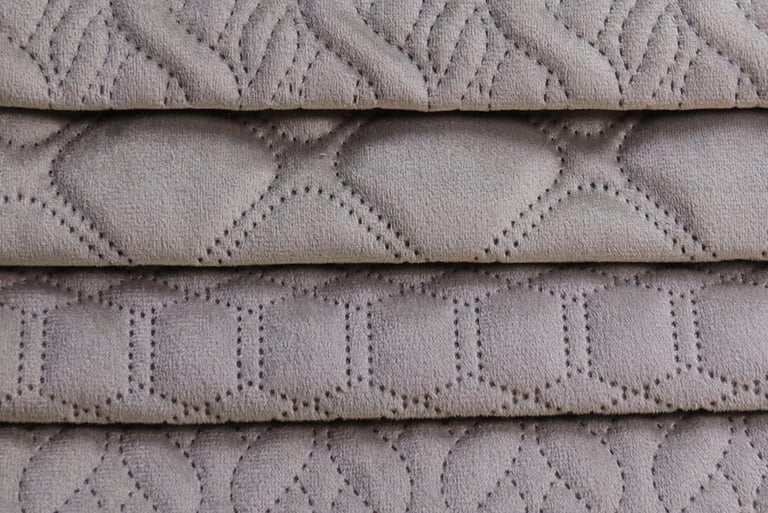
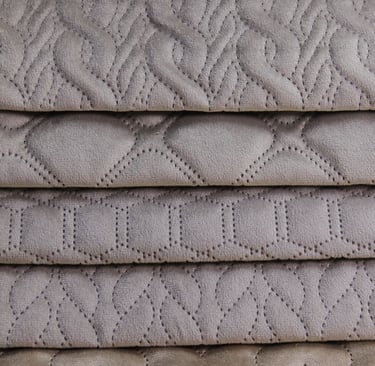
What is Velvet Ultrasonic Quilting?
It is a process that uses high-frequency sound waves to locally melt and fuse synthetic velvet (typically polyester or a polyester blend) to a backing material (usually foam or non-woven padding), creating permanent quilted channels or patterns. The "stitching" is actually a bonded, welded seam.
n summary, VELVET ULTRASONIC QUILTING is a feat of textile engineering. It represents the move towards faster, stronger, and more consistent industrial fabric production. It’s the ideal choice for modern, performance-oriented applications—automotive interiors, contemporary furniture, and technical apparel—where durability, clean aesthetics, and efficiency are paramount over the traditional softness and fiber versatility of stitched quilting.
It is the high-tech, welded alternative to the craftsmans like, sewn tradition.